Home › Asphalt Resurfacing & Overlays
Upgrade tired pavement with cost effective asphalt resurfacing in Fort Wayne, IN. We apply a new asphalt layer over a stable base to renew aging driveways without full replacement. Our overlays improve ride quality, appearance, and water runoff so your blacktop looks and performs like new again.
Precision Asphalt Fort Wayne provides professional asphalt resurfacing throughout Fort Wayne, IN, Indiana and the surrounding area. Our licensed, insured crew delivers safe, clean, on-time work with a free estimate before anything begins. Call (260) 408-6873 or request your free quote.
Asphalt Resurfacing & Overlays for Fort Wayne Properties
Asphalt resurfacing is the process of installing a fresh layer of hot mix asphalt over an existing paved surface that is worn but still structurally sound. For Fort Wayne driveways, parking lots, and private roads, this is often the most cost effective way to restore a smooth, black finish without paying for a full tear out and replacement.
Precision Asphalt Fort Wayne focuses specifically on resurfacing work for the types of properties common in our area: older concrete or asphalt driveways in 1960s and 1970s neighborhoods, commercial lots that see winter plow damage, and church or school parking areas with heavy bus traffic. We evaluate whether your base can support an overlay, then design the resurfacing thickness and mix to match your actual traffic and weather exposure.
When resurfacing is done correctly, you can expect 8 to 15 additional years of service life from your pavement, depending on usage and maintenance. Our goal is to give you a realistic estimate of life expectancy based on how your pavement is used right now, not generic numbers pulled from a brochure.
How We Evaluate If Your Pavement Is a Good Candidate
Not every cracked or faded surface in Fort Wayne can be saved with asphalt resurfacing. Before we recommend an overlay, Precision Asphalt Fort Wayne performs a detailed site inspection. We look for base failures such as deep alligator cracking, soft spots that flex under vehicle weight, and areas that stay wet long after a rain. These conditions usually indicate that patching or partial reconstruction is needed before any new layer goes down.
We also check the extent of rutting in drive lanes, especially on commercial properties off Lima Road, Coliseum Boulevard, and near Jefferson Pointe where traffic is heavier. Ruts deeper than about 1 inch often require milling to re establish the proper profile so the new surface drains correctly. For residential driveways in neighborhoods like Aboite and Northeast Fort Wayne, we pay close attention to heaving or settled sections near garage doors and sidewalks, since these can crack through a new overlay if not corrected.
Soil conditions in Allen County can vary from stable granular material to clay that holds water. When we see repeated frost heave or pumping of water through cracks, we may recommend subgrade repair in isolated areas. Our inspection notes are explained in plain language, so you understand whether a resurfacing is appropriate, and what should be fixed first to avoid wasting money on a surface that will fail early.
Step by Step: Our Asphalt Resurfacing & Overlay Process
Once we confirm your pavement is a good candidate, Precision Asphalt Fort Wayne follows a structured resurfacing process so the new layer bonds properly and drains correctly.
1. Cleaning and preparation. We use mechanical sweepers and high pressure blowers to remove loose debris, dirt, and vegetation. Oil spots are treated with a primer so they do not bleed through and weaken the bond. Any weeds in cracks are removed, not just sprayed.
2. Structural repairs. Severely cracked or sunken areas are saw cut, excavated, and patched with new base stone and hot mix asphalt. On older Fort Wayne driveways where tree roots have pushed up the pavement, we remove the high spots and rebuild those sections to the correct elevation.
3. Leveling and milling. For commercial lots and HOA streets, we may mill (grind) the existing surface in rutted or high areas to correct slope and prevent puddles. We then install leveling courses where necessary to smooth transitions at entrances, catch basins, and curb lines.
4. Crack filling. Working cracks that are still active are cleaned and filled with hot rubberized crack sealant. This step is important in our freeze thaw climate because it reduces water infiltration that can damage the base under your new overlay.
5. Tack coat application. We spray a bonding agent, called tack coat, on the existing surface to ensure the new asphalt layer adheres to the old one. Skipping or skimping on tack is a common cause of delamination, which shows up as peeling or sliding of the new surface.
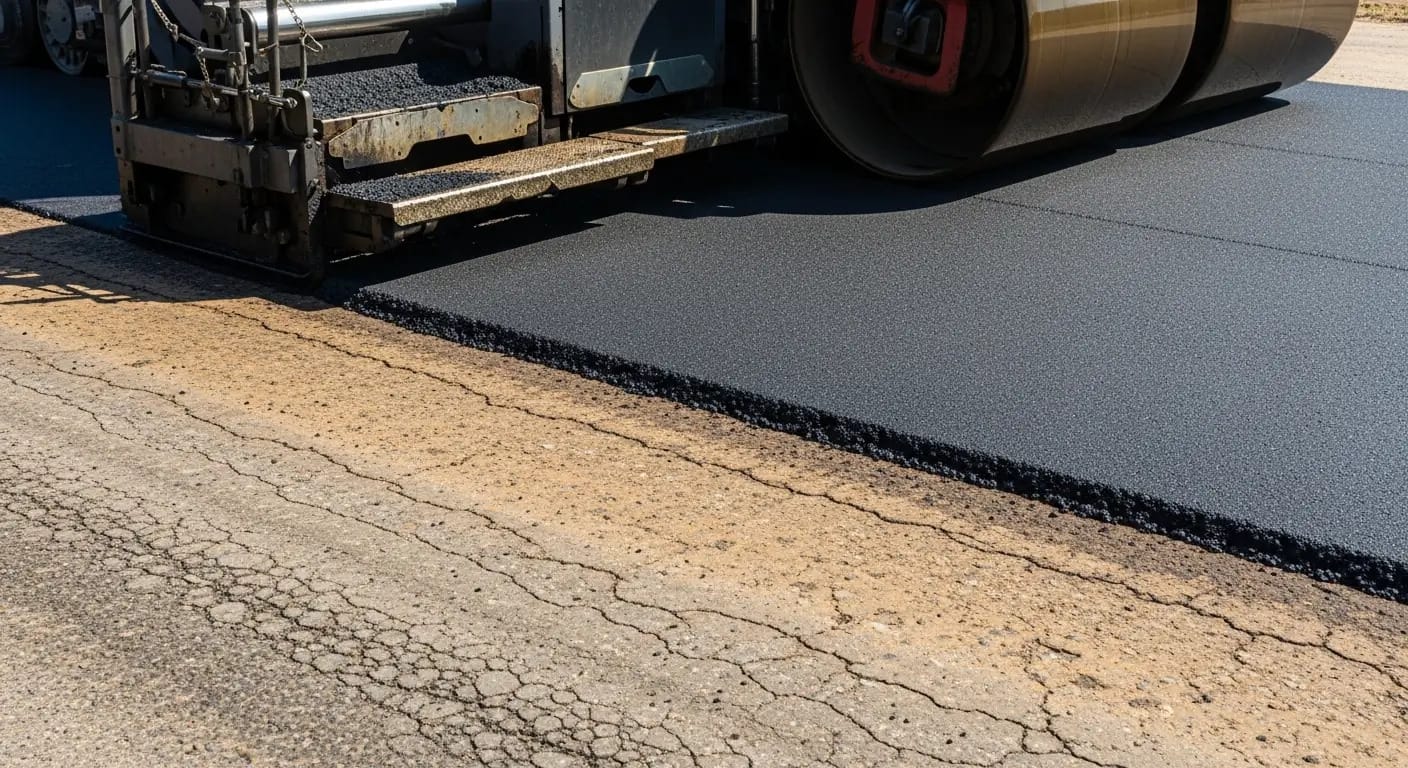
6. Installing the overlay. Hot mix asphalt is delivered from a Fort Wayne area plant and placed using a self propelled paver for uniform thickness. For driveways we typically install 1.5 to 2 inches of compacted asphalt. For commercial lots we may recommend 2 to 3 inches, depending on truck traffic and loading.
7. Compaction. Steel drum and pneumatic rollers compact the new asphalt to lock the stone together and achieve proper density. We pay particular attention to edges along concrete garage slabs and curb lines so they do not crumble.
8. Final joint and edge finishing. We seal key joints, feather edges where new asphalt meets old, and make sure transitions are smooth so plow blades and snow blowers will not catch in the winter.
Material Choices and Design Options for Fort Wayne Uses
Not every asphalt mix is the same. Precision Asphalt Fort Wayne selects specific hot mix designs based on how and where your surface is used.
For residential driveways, we usually recommend a fine graded surface mix that compacts to a tight finish. This type of mix is better for shoveling and snow blowing, and it resists raveling along edges where homeowners often drive off the side of the pavement. In shaded, tree lined streets such as those off Rudisill or near Foster Park, we may suggest a mix that handles increased moisture and leaf debris without polishing too quickly.
For commercial parking lots, churches, medical offices, and apartment complexes, we lean toward a slightly coarser, more rut resistant surface mix. Areas that see frequent delivery trucks, dumpsters, or bus traffic near entrances get thicker overlays or even a base course plus surface course solution, particularly near loading zones and drive lanes.
We also design cross slopes and drainage so water moves to existing catch basins, yard drains, or swales. Fort Wayne sees heavy rainfall events and freeze thaw cycling, so standing water shortens the life of any overlay. When we evaluate a property, we often propose minor grade adjustments or milling near drains to eliminate chronic puddles that your current pavement may have had for years.
What Drives the Cost of Asphalt Resurfacing
Homeowners and facility managers in Fort Wayne understandably want to know what determines the price of an asphalt resurfacing project. Precision Asphalt Fort Wayne prepares itemized proposals so you can see how each factor affects cost.
Key cost drivers include:
• Total square footage. Larger areas reduce per square foot cost, since fixed expenses like equipment mobilization and traffic control are spread out.
• Thickness of the overlay. Adding a half inch of asphalt across thousands of square feet adds up. Heavier traffic areas usually require thicker overlays.
• Amount of prep and repair work. Milling, base repair, patching, and crack filling are usually the biggest variables. A driveway needing minimal repair before an overlay will cost less than a lot with extensive base failures.
• Access and layout. Tight residential driveways in older Fort Wayne neighborhoods may require smaller equipment and more hand work. Complex commercial sites with multiple islands and curb lines require more detail work and joint finishing.
• Scheduling and phasing. For active businesses, we often phase work to keep portions of the lot open. Staged construction and additional mobilizations can add some cost, but they allow you to maintain operations.
We walk you through these elements, discuss any options such as addressing only the worst sections first, and work within realistic budgets instead of pushing a one size fits all package.
Common Problems and How We Prevent Them
Many resurfacing failures in Fort Wayne trace back to skipping critical steps or trying to cover serious structural issues with a thin overlay. Precision Asphalt Fort Wayne is explicit about potential problems so we can prevent them.
Reflective cracking is a common issue. If underlying cracks are not repaired or stabilized, they often reappear in the new surface within a couple of seasons. We mitigate this with proper crack filling, base patching in severely cracked zones, and sometimes a thicker overlay with a leveling course.
Poor drainage is another frequent problem. If water already ponds in certain parts of your driveway or lot, simply adding asphalt on top can make the situation worse. We use straightedges and laser levels to identify low spots, and we correct them by milling or adding leveling asphalt before the final surface course goes down.
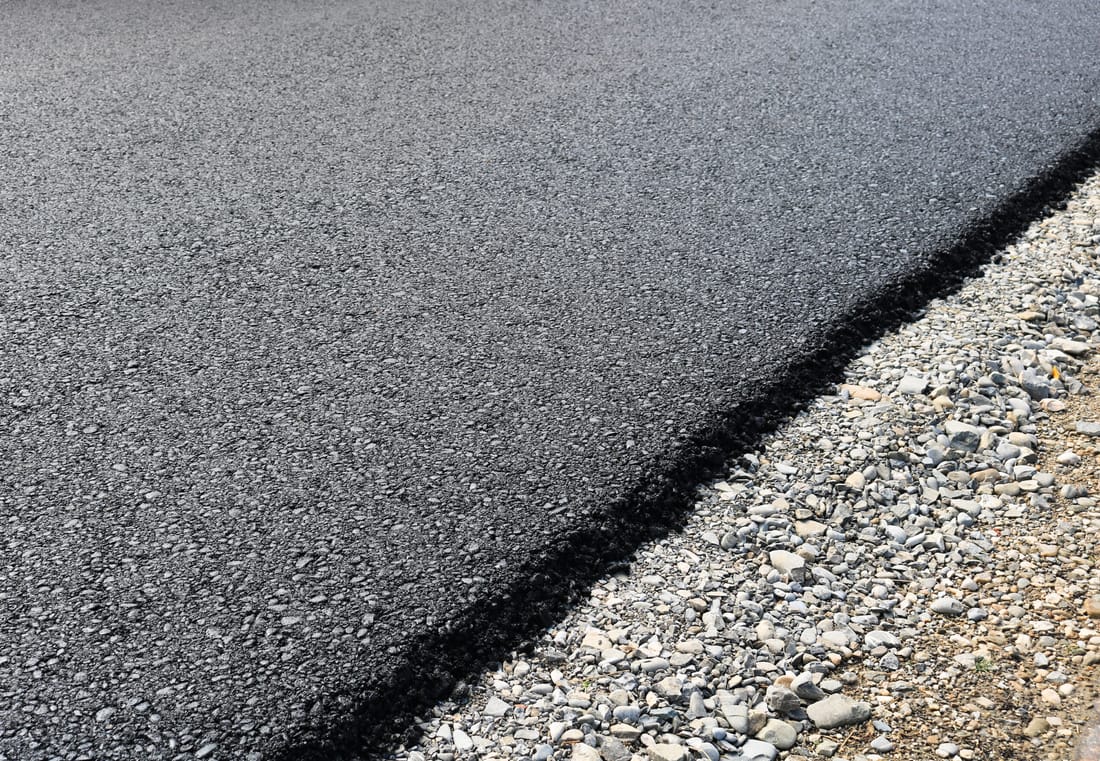
Edge failure is especially common on residential driveways without proper side support. When vehicles drive off the edge repeatedly, the asphalt can break away. To combat this, we often widen the drive slightly during resurfacing, improve the stone shoulder, and compact the edges thoroughly. On some projects we recommend concrete or paver borders for long term edge stability.
Finally, premature raveling or scuffing can occur if the surface is driven on too soon or if the chosen mix is not appropriate for the temperature and traffic. We schedule work to align with weather conditions and give you clear cure time instructions, typically 24 to 48 hours before normal traffic, and longer for heavy or turning loads.
What Fort Wayne Customers Should Know Before Hiring
Before you commit to asphalt resurfacing, take a little time to compare estimates and ask the right questions. Precision Asphalt Fort Wayne encourages customers to get multiple bids, then look beyond the bottom line to what is actually included.
Ask each contractor how they will handle crack repair, base failures, and drainage issues, and whether milling or leveling courses are part of their price. Request the proposed overlay thickness in compacted inches, not just a vague description. Verify that a tack coat will be applied over all existing pavement, not just in patches.
Make sure you discuss scheduling and traffic control. For businesses near Dupont, Coldwater, or downtown Fort Wayne, you may need overnight or weekend work to reduce disruption. For residential drives, ensure you understand when you can park again, how deliveries should be handled, and what to do about lawn irrigation during construction.
Finally, confirm that the company is familiar with our local climate and county requirements. Fort Wayne winters, snow plowing, and use of deicing salts all influence how an overlay should be designed. Precision Asphalt Fort Wayne has completed resurfacing and overlay projects across Allen County for years, and we bring that specific local experience to each driveway, lot, and private road we restore.