Home › Gravel-to-Asphalt Conversions
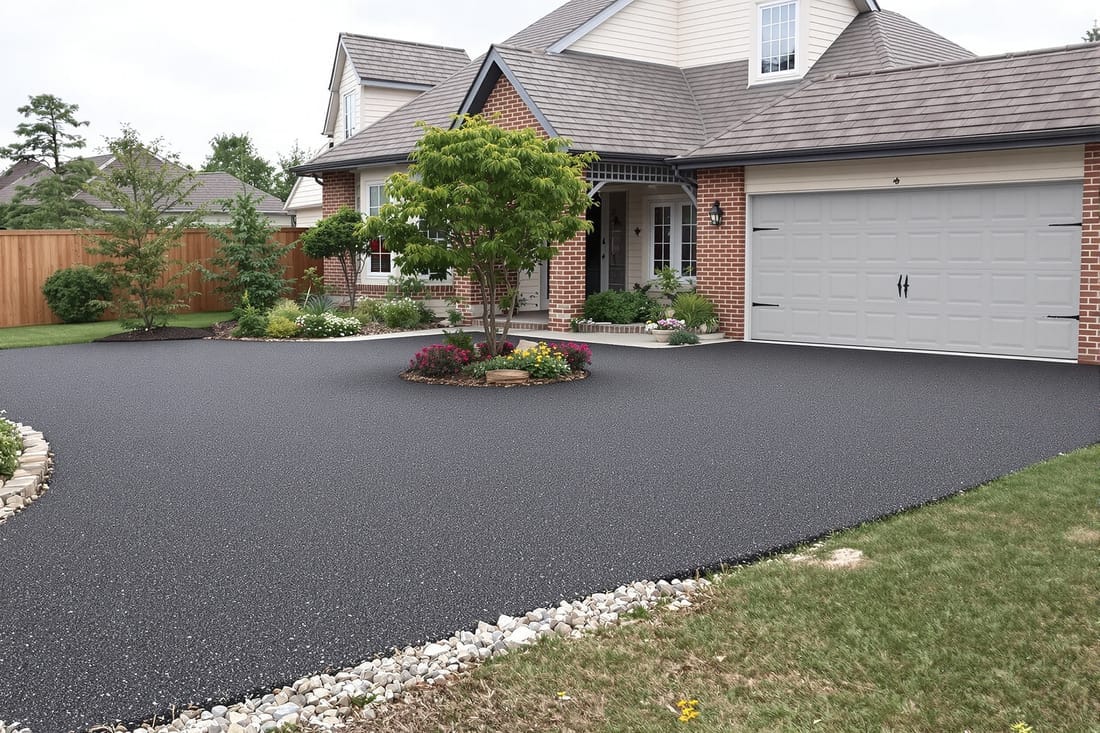
Tired of ruts and mud in your gravel drive. Our gravel to asphalt driveway conversions in Fort Wayne, IN give you a clean, solid surface that is easy to maintain. We prepare the base, correct drainage, and pave a strong asphalt driveway that transforms how you access your home.
Precision Asphalt Fort Wayne provides professional gravel to asphalt driveway throughout Fort Wayne, IN, Indiana and the surrounding area. Our licensed, insured crew delivers safe, clean, on-time work with a free estimate before anything begins. Call (260) 408-6873 or request your free quote.
Turn a Dusty Gravel Driveway into a Clean Asphalt Surface
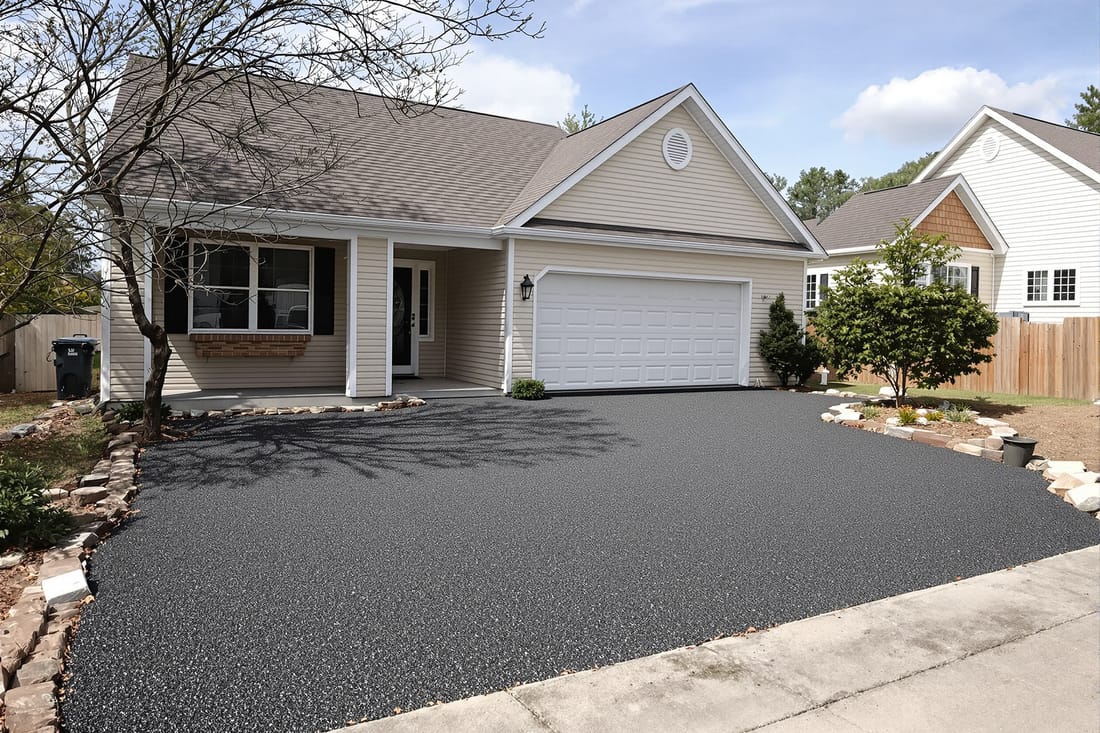
If you are tired of ruts, dust, and mud every time it rains or snows, a gravel to asphalt driveway conversion can make a big difference in how your property looks and functions. Precision Asphalt Fort Wayne specializes in taking existing gravel drives around Fort Wayne, IN and rebuilding them into solid, smooth asphalt surfaces that hold up to northeast Indiana weather.
Gravel driveways in our area are prone to washouts from summer storms, frost heave in winter, and soft spots during spring thaw. Simply paving over the top of loose gravel does not work. A successful conversion means treating the gravel as a base layer, correcting drainage, and installing asphalt with the right thickness and compaction for local freeze and thaw cycles.
We focus on practical solutions: proper grading, base reinforcement where needed, and realistic recommendations about thickness and maintenance. Whether you have a short residential drive near Jefferson Pointe or a long lane outside city limits, the process and standards we follow are the same, just scaled to your property.
Our Step-by-Step Gravel-to-Asphalt Conversion Process
Every gravel to asphalt driveway project starts with an on-site evaluation. Precision Asphalt Fort Wayne walks the entire drive with you to identify low spots, soft areas, drainage issues, and any existing culverts or ditches. We check the depth and quality of the existing gravel, how packed it is, and where water currently flows and collects.
Once the plan is set, we begin by shaping the existing gravel with graders or skid steers. Soft or contaminated areas, like spots with a lot of mud or organic soil mixed in, are dug out and replaced with compacted aggregate. This is critical in Fort Wayne’s clay soils, which hold water and can cause the asphalt to flex and crack if not corrected.
After repairs, we build the base. Typically we add new crushed stone or dense-graded aggregate, then compact it in multiple passes with a vibratory roller. For residential driveways, we often aim for 4 to 6 inches of well compacted base, more for heavier traffic or where garbage trucks and delivery trucks turn often.
When the base passes compaction tests and holds shape under the roller, we apply a tack coat if needed, then install hot mix asphalt delivered from local Fort Wayne plants. The asphalt is spread with a paver to a consistent thickness, then rolled several times in a specific pattern to achieve proper density. The edges are compacted and formed to shed water, and transitions at the road, garage, or sidewalks are smoothed so there are no abrupt bumps.
We finish by checking slopes with a level or laser to confirm that water will run off correctly. Before leaving, we review curing time and use guidelines with you so the new surface has the best possible start.
Design and Material Options for Your New Asphalt Driveway
You have choices when it comes to how your new asphalt driveway looks and performs. Precision Asphalt Fort Wayne explains the options in plain language so you can match the driveway to how you actually use it.
For typical residential use, we usually recommend a 2 to 3 inch compacted surface course of hot mix asphalt over a properly prepared gravel base. If you frequently park trailers, RVs, or heavy work trucks, we may suggest a thicker asphalt section or a two-layer approach (a base course plus a surface course) to handle the extra weight.
Edge treatment is another design decision. You can leave the asphalt edges flush with the graded shoulders, or we can create a slight shoulder of compacted gravel to support the sides and make mowing easier. In some situations, particularly near flower beds, homeowners choose concrete or paver borders for appearance and to protect the edges.
We also discuss drainage features. In parts of Fort Wayne where yards are flat and water does not naturally move away, we may recommend shallow swales along one side of the drive, or corrections to existing ditches, to keep water off the asphalt. For downhill drives, we might incorporate small berms or slight cross slope changes so water does not race straight down the middle and erode the sides.
If you are converting a long gravel lane, we can talk about gradual transitions or staging the work in sections, especially if you need to maintain access during construction. All of these choices have cost and durability impacts, and we spell those out during the estimate so there are no surprises.
What Affects Cost on a Gravel to Asphalt Driveway Conversion
Homeowners often ask why two similar length driveways can be priced differently. The main cost driver is how much work is required to turn your existing gravel into a stable base. Precision Asphalt Fort Wayne does not guess at this, we base it on what we see in person.
If your gravel driveway already has several inches of good, compacted stone and drains well, you may only need minor grading and a standard asphalt thickness. This keeps costs lower. If the gravel layer is thin, full of mud, or full of large voids, we need more aggregate, more machine time, and more compaction to correct it.
Driveway width and layout also matter. Curves, tight turns, and areas where vehicles regularly turn around or back trailers all place more stress on pavement. We might recommend extra thickness or a stronger base in those zones, which affects material quantities. Long, narrow rural drives may cost less per foot of width but require more travel and time for trucks and equipment.
Access for equipment is another factor. If we can bring full size trucks and pavers right to the driveway, production is efficient. If access is limited due to trees, fences, or tight city lots, we may need smaller equipment or more hand work. That extra labor can influence the estimate.
Finally, timing matters in Fort Wayne’s climate. Work done in favorable temperatures, typically late spring through early fall, is more predictable and efficient. Paving in colder shoulder seasons may require additional steps to keep the mix workable and the base dry. During the estimate, we explain what condition your gravel drive is in today and exactly what it will take to convert it correctly.
Handling Common Problems During Gravel-to-Asphalt Projects
Certain issues appear regularly on gravel to asphalt driveway projects in the Fort Wayne area, and addressing them properly is what separates a long-lasting driveway from one that fails early. Precision Asphalt Fort Wayne plans for these problems in advance instead of reacting to them after paving.
Soft spots are one of the biggest concerns. These are sections that pump or move when you drive over them, often due to poor subsoil or buried organic material. We probe and proof-roll the driveway before paving to find these weak areas. When we find one, we cut it out, replace it with compacted aggregate, and in some cases use geotextile fabric to separate the stone from the underlying clay.
Drainage is another frequent problem. We regularly see gravel drives that are lower than the surrounding yard, which traps water on the surface. Before laying asphalt, we correct the grade where possible, add stone to raise the drive, and create a consistent crown or cross slope so water sheds to one side. If needed, we coordinate with you on simple ditch improvements or culvert replacements.
Existing ruts and potholes must be reshaped rather than just filled. If you simply pour asphalt into those depressions, the pattern of failure returns. Our crews blade the surface to remove ruts, compact it flat, then add new stone as needed to build a uniform base. Only then do we pave.
We also watch the weather closely. Asphalt should not be placed on a saturated base. In a wet Fort Wayne spring, this might mean waiting for a drier window or adjusting the schedule. We keep you informed so you are not wondering why the job has paused.
By correcting issues in the gravel stage instead of hiding them under asphalt, we reduce the risk of early cracking, dips, and standing water on your new driveway.
What Fort Wayne Homeowners Should Know Before Converting Gravel to Asphalt
A gravel to asphalt driveway conversion is more than a cosmetic upgrade. It changes how water moves on your property, how you access your home in winter, and how you maintain your drive in the long term. Precision Asphalt Fort Wayne wants you to understand those changes before you commit.
First, expect some disruption. During construction, the drive may be partially or fully closed at times. We usually can maintain at least one lane for access, but short closures are needed while asphalt is placed and compacted. We plan the sequence with you in advance, especially if you have limited street parking.
Second, curing and use guidelines matter. You can often walk on the new asphalt soon after rolling, but we typically recommend keeping regular vehicle traffic off for at least 24 to 48 hours, depending on temperature. Heavy vehicles, RVs, and trailers should be kept off for a bit longer to avoid indentations while the mix is still warm and relatively soft.
Third, Fort Wayne winters are hard on any pavement. Using the right de-icing practices can extend the life of your new driveway. We discuss what to use, what to avoid in the first season, and how to handle plowing without gouging the surface. Proper snow removal and drainage go a long way toward preventing freeze-thaw damage.
Finally, plan for basic ongoing care. Sealcoating is not required immediately, but in a few years it can help protect the surface from sun and moisture. We provide realistic maintenance intervals based on how you use the drive. With a properly built base and reasonable care, a gravel to asphalt driveway conversion can give you a clean, stable surface for many years.
If you are considering converting your gravel drive anywhere in or around Fort Wayne, IN, we can walk you through options, timing, and costs based on your specific property rather than a generic estimate.